Find a Funeral Icon 1

Eco Friendly Funerals Explained

As environmental awareness grows, more people are considering the impact their funeral will have on the planet. Eco-friendly funerals - also known as green funerals or natural burials - offer a way to reduce the environmental footprint of your final send-off.

This guide explains what eco-friendly funerals are, what options are available, and how to plan a green funeral.

Eco-friendly funerals explained

What Is an Eco Friendly Funeral?

An eco-friendly funeral is designed to minimise environmental impact. This typically involves:

  • Using biodegradable materials.
  • Avoiding embalming chemicals.
  • Choosing natural burial sites.
  • Reducing carbon emissions from transport.
  • Avoiding non-biodegradable coffins or caskets.


The goal is to allow the body to return to the earth naturally, with minimal harm to the environment.

Types of Eco Friendly Funerals

Natural Burial

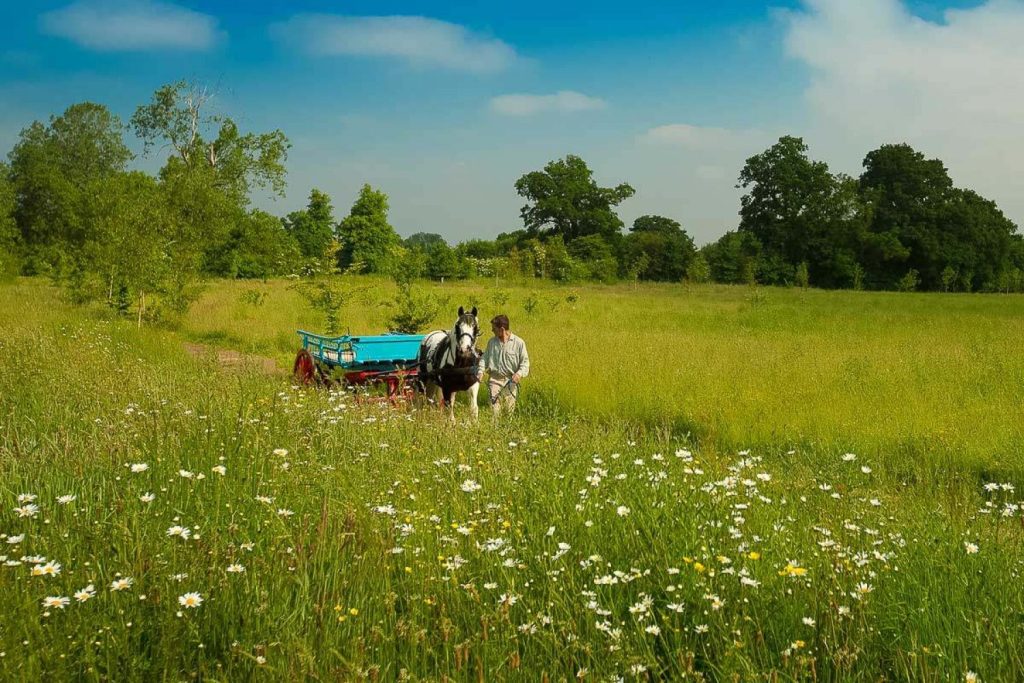
A natural burial involves burying the body in a natural burial ground, woodland, or meadow. The body is placed in a biodegradable coffin or shroud, and no headstones or permanent markers are used (though trees or wildflowers may be planted).

Natural burial grounds are designed to preserve and enhance the natural environment.


Eco-Friendly Cremation

Whilst cremation does produce carbon emissions, it can be made more eco-friendly by:

  • Choosing a crematorium with modern, energy-efficient equipment.
  • Avoiding embalming.
  • Using a simple, biodegradable coffin.
  • Scattering or burying ashes in a natural setting.


Some crematoria offer “resomation” or water cremation, which uses water and alkaline chemicals instead of fire. This process produces fewer emissions and is considered more environmentally friendly.


Biodegradable Coffins

Eco-friendly funerals often use biodegradable coffins made from materials like:

  • Wicker.
  • Bamboo.
  • Cardboard.
  • Wool.
  • Seagrass.


These materials break down naturally and have a lower environmental impact than traditional wooden coffins.


No Embalming

Embalming involves using chemical preservatives, which can be harmful to the environment. Eco-friendly funerals typically avoid embalming unless required by law (e.g., for international repatriation).

Benefits of Eco Friendly Funerals

Eco-friendly funerals offer several benefits:

  • Reduced environmental impact.
  • Lower costs (natural burials and simple coffins are often cheaper than traditional options).
  • A meaningful, personal tribute.
  • Preservation of natural spaces.


Compare Funeral Directors and Get Your Quote

We make it easy to compare funeral options and get a personalised quote. Whether you’re looking for a traditional funeral or direct cremation, we can help you find the right solution.

Challenges of Eco Friendly Funerals

There are some challenges to consider:

  • Limited availability of natural burial sites.
  • May not be suitable for all religious or cultural traditions.
  • Family members may prefer a more traditional approach.

How to Plan an Eco Friendly Funeral

If you’re interested in an eco-friendly funeral, here’s what to do:

  • Research natural burial sites in your area.
  • Choose a biodegradable coffin or shroud.
  • Avoid embalming.
  • Select a funeral director experienced in green funerals.
  • Consider cremation at an eco-friendly crematorium.


For more on planning ahead, visit our guide on how to plan ahead for a funeral.

Final Thoughts

Eco-friendly funerals offer a way to reduce your environmental impact whilst still providing a dignified and meaningful send-off. Whether you choose a natural burial, an eco-friendly cremation, or a biodegradable coffin, there are many ways to make your funeral greener.

For more on funeral options, visit our guide on burials vs cremations and our article on planning ahead for a funeral.